
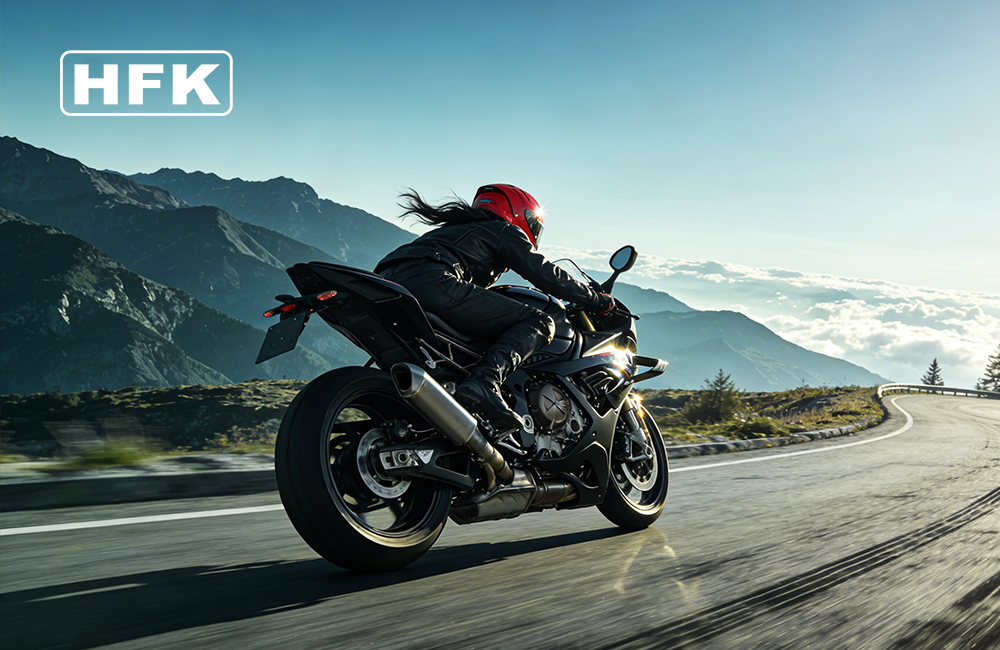

Motorcycling offers a unique sense of freedom. Whether you commute through busy city streets, cruise along open highways, or explore remote mountain roads, every ride brings a new experience. But riding also comes with risks. Sudden lane changes, distracted drivers, unexpected road hazards, and unclear accident circumstances can all create serious problems for motorcyclists.
This raises an important question: Can motorcycle dashcams really improve rider safety?
The short answer is yes, but not in the way some riders might expect. A motorcycle dashcam cannot prevent every collision or replace safe riding habits. However, it can help riders document dangerous situations, preserve important evidence, and make better use of technology during everyday rides.
To understand its real value, let's look at how motorcycle dashcams work, which features matter most, how they compare with other devices, and what riders should consider before buying one.
1. How Can a Motorcycle Dashcam Make Riding Safer?
The most important benefit of a motorcycle dashcam is its ability to record what happens on the road.
Unlike car drivers, motorcyclists have little physical protection in a collision. When an accident happens, the rider may be unable to explain exactly what occurred, especially if several vehicles were involved or different people provide conflicting accounts.
A dashcam can preserve footage of the moments before, during, and after an incident, depending on its camera coverage and recording settings.
This footage may help document:
-
A vehicle changing lanes without checking its surroundings
-
A car turning across a motorcycle's path
-
Tailgating or unsafe overtaking
-
Road hazards and sudden traffic changes
-
The positions and movements of vehicles before a collision
-
Relevant road conditions and traffic signals
Recorded video may help clarify an incident and support an insurance claim. However, footage does not automatically determine fault, and its usefulness depends on image quality, camera positioning, and the circumstances of the event.
For daily commuters, delivery riders, and long-distance touring enthusiasts, having a reliable record of the journey can provide valuable peace of mind.
2. Evidence After an Accident: Why Continuous Recording Matters
A motorcycle accident can happen in seconds. By the time a rider realizes something has gone wrong, it may already be too late to start recording manually.
That is why automatic recording is one of the most valuable features of a motorcycle dashcam.
Continuous recording captures the road while you ride, while loop recording automatically replaces older footage when storage becomes full. Together, these functions allow the camera to keep recording without requiring frequent manual file management.
Some systems also use a gravity sensor or collision detection feature to protect selected video files after an impact. Riders should check how their chosen system locks and stores these recordings, because the implementation varies between models.
Camera coverage matters, too. A front camera captures what happens ahead, while a rear camera can record events behind the motorcycle. A dual-camera system can therefore provide a more complete view of an incident than a front-only setup.
For riders who regularly travel on busy highways or commute in heavy traffic, front and rear recording can be particularly useful.
The goal is not simply to collect hours of video. It is to preserve relevant footage when an unexpected situation occurs.
3. Can a Dashcam Prevent Accidents?
This is where it is important to separate two ideas: accident prevention and accident documentation.
A dashcam's primary function is to record. It does not physically stop a vehicle from cutting into your lane, improve your braking distance, or make another driver pay attention.
However, a recording system can still support safer riding in several ways.
First, some riders become more aware of their surroundings when they review footage after a journey. They may notice risky overtaking, poor positioning, or road hazards they did not fully recognize at the time.
Second, a well-designed smart motorcycle display can make navigation easier to follow than looking down at a phone mounted on the handlebar. Compatible systems can display navigation and provide access to supported smartphone functions, helping riders keep essential information in a more convenient position.
Third, some recording systems offer GPS information or collision detection, depending on the model. These features may provide additional context when reviewing an incident.
Nevertheless, technology should support—not replace—defensive riding. Keep a safe following distance, maintain visibility, watch for vehicles entering your blind spots, and avoid interacting with devices while moving.
A dashcam is most valuable when it works quietly in the background while the rider remains focused on the road.
4. Why Motorcycle-Specific Design Is So Important
Not every camera is suitable for motorcycle use.
A motorcycle-mounted device must deal with rain, dust, road spray, engine vibration, temperature changes, and sometimes rough off-road conditions. A camera designed for indoor recording or mounted inside a car may not be able to withstand these demands.
When choosing a motorcycle dashcam, pay attention to four key areas.
Waterproofing
Rain can arrive unexpectedly, even on a clear morning. Check the product's IP rating and confirm which components it covers. An IP69K-rated device is designed to meet demanding dust and high-pressure, high-temperature water-jet protection tests under specified conditions. Proper installation and maintenance are still essential.
Vibration resistance
Motorcycles experience constant vibration from the engine and road surface. A durable housing, secure mounting hardware, and reliable connections help maintain stable operation.
Temperature tolerance
Direct sunlight, heat, cold weather, and changing environmental conditions can affect electronic equipment. Check the manufacturer's operating temperature range if you frequently ride in extreme weather.
Reliable power
A hardwired dashcam can support automatic recording without relying on a small rechargeable battery. The wiring must be compatible with the motorcycle's electrical system and installed correctly.
These features may not be as noticeable as a large screen or high-resolution camera, but they are fundamental to long-term reliability.
For example, HFK's HC50 features an IP69K rating and a motorcycle-focused design intended for demanding outdoor conditions. Its front and rear 2K cameras provide recording coverage, while the integrated smart display adds navigation and smartphone connectivity.
For riders who face changing weather and ride frequently, equipment designed specifically for motorcycles is often a more practical choice than adapting a general-purpose camera.
5. Motorcycle Dashcam vs. Action Camera vs. Smart CarPlay Display
Many riders compare dedicated motorcycle dashcams with action cameras or smart motorcycle displays. Although all three can be useful, they serve different purposes.
| Feature | Motorcycle Dashcam | Action Camera | Smart Motorcycle Display with Camera Support |
|---|---|---|---|
| Main purpose | Continuous road recording | Ride videos and content creation | Navigation, smartphone connectivity, and recording |
| Automatic recording | Common on hardwired systems | Depends on model and setup | Depends on the camera system |
| Loop recording | Common | Available on selected models | Available on camera-equipped models |
| Front and rear coverage | Available on dual-camera systems | Often requires separate cameras or setups | Available on compatible systems |
| Navigation | Usually not included | Usually not included | Supported on compatible models |
| Apple CarPlay / Android Auto | Usually not included | Usually not included | Supported on compatible models |
| Motorcycle weather protection | Available on purpose-built models | Varies by model and mounting setup | Depends on the display and camera specifications |
| Best for | Everyday recording and evidence | Scenic footage and travel videos | Riders wanting multiple functions in one setup |
An action camera is a good choice if you enjoy filming scenic roads, creating travel videos, or sharing your adventures. However, battery life, manual recording, and file management may make some action cameras less convenient for continuous everyday recording.
A dedicated motorcycle dashcam is designed around recording as part of your regular ride. Automatic operation, loop recording, and front-and-rear camera options make it particularly useful for commuting.
A smart motorcycle display with camera support offers a different advantage: it combines recording with navigation and smartphone functions, reducing the need to mount several separate devices.
The right choice depends on whether your priority is video creation, continuous recording, or an integrated riding interface.
6. How Much Does a Motorcycle Dashcam Cost?
Price is another important factor. Motorcycle recording systems range from simple cameras to advanced systems with multiple cameras, built-in storage, GPS, and smart display functions.
The following ranges are approximate market guides. Actual prices depend on the brand, model, region, promotions, and included accessories.
| Product category | Approximate price range | Typical features |
|---|---|---|
| Basic motorcycle camera | $50–$150 | Basic recording, limited additional features |
| Dedicated dual-camera dashcam | $100–$300 | Front and rear recording, loop recording on many models |
| Premium motorcycle dashcam | $300–$450+ | Advanced imaging or additional recording features on selected models |
| Smart motorcycle display with camera support | $200–$600+ | Navigation, smartphone connectivity, and recording on compatible systems |
Budget models can be suitable for riders who mainly want basic footage. Mid-range dual-camera systems may offer a useful balance of coverage, recording features, and cost. Premium systems and integrated displays can be more attractive for riders who want additional functionality.
However, a higher price does not automatically mean better safety. Before buying, compare the camera quality, waterproofing, storage, mounting hardware, and actual recording features.
Also check what is included in the package. Some products require separate purchases for cameras, memory cards, brackets, or other accessories.
7. HFK HC50 and HC50-RM: Smart Riding Meets Camera Recording
For riders who want both recording and smart navigation, HFK offers motorcycle display systems with different configurations.
HFK HC50: An Integrated Display and Dual-Camera System
The HFK HC50 combines a smart motorcycle display with front and rear 2K cameras. It is designed for riders who want navigation and road recording in one system rather than installing a separate dashcam and display.
Key features include:
-
Front and rear 2K camera recording
-
Built-in storage and loop recording
-
IP69K-rated protection
-
Apple CarPlay and Android Auto support
-
A motorcycle-specific installation setup
This combination is useful for commuters and touring riders who rely on navigation but also want continuous road footage available when needed.
HFK HC50-RM: A Flexible Quick-Release Display
The HFK HC50-RM is designed for riders who value flexibility. It features a 5.7-inch Sharp display with 1400-nit brightness and a quick-release system that makes it convenient to remove the display or switch it between compatible motorcycles.
Key features include:
-
A bright 5.7-inch display
-
Quick-release mounting
-
IP69K-rated protection
-
Smartphone connectivity and navigation
-
Support for optional front and rear cameras
Important: The HC50-RM's cameras are sold separately. Riders who want recording functionality should include compatible camera accessories in their purchase.
The HC50 is a practical option for riders who prefer an integrated display and camera package. The HC50-RM is more suitable for those who prioritize quick removal and a flexible configuration.
Both options bring smart riding functions into one system, but riders should choose according to their needs and confirm the included accessories before purchasing.
8. Is a Motorcycle Dashcam Worth It for Everyday Riders?
For some riders, the value of a dashcam becomes clear only after an unexpected incident. But its usefulness extends beyond major accidents.
Daily commuters may benefit from recording in busy traffic. Touring riders can document unfamiliar roads and unexpected events. Riders who regularly travel at night may value having footage of changing road conditions.
A dashcam also provides a record that can be reviewed later. If a close call occurs, footage may help you understand how the situation developed and identify ways to improve your riding decisions.
Still, a recording system should be installed securely, positioned without obstructing your view, and configured before the ride begins. Riders should not adjust cameras, browse recordings, or interact with a display while moving.
The most effective setup is one that records reliably without becoming a distraction.
Final Thoughts: A Small Device That Can Make a Big Difference
Can motorcycle dashcams really improve rider safety? They can contribute to a safer riding experience by documenting road incidents, preserving potential evidence, and supporting a more organized cockpit when integrated with a smart motorcycle display.
But a dashcam is not a substitute for protective gear, defensive riding, regular motorcycle maintenance, or attention to traffic. Its greatest value comes from combining reliable technology with responsible riding habits.
Before buying, focus on the features that matter most:
-
Front and rear camera coverage
-
Clear footage in daylight and at night
-
Continuous and loop recording
-
Motorcycle-specific waterproofing and vibration resistance
-
Reliable power and sufficient storage
-
A price and feature set that match your riding needs
If recording is your only priority, a dedicated motorcycle dashcam may be the right choice. If you also need navigation and smartphone connectivity, a smart display with camera support can provide a more complete solution.
For riders who spend a lot of time on the road, the right motorcycle recording system is more than another accessory. It is a practical way to document the journey, preserve important details, and gain greater confidence when the unexpected happens.
Ride defensively, stay focused, and let your dashcam record the road while you focus on riding it.
Share:
¿Qué características son más importantes en una cámara para salpicadero de motocicleta?