
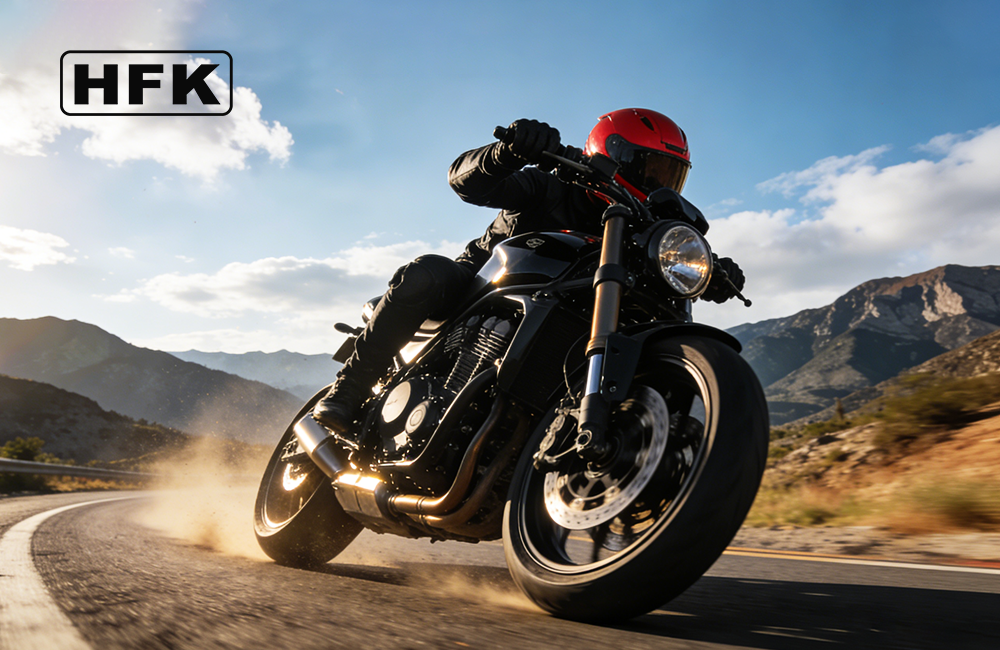

Motorcycle riding is an adventure in all kinds of weather. From sunny highways to unexpected rainstorms, riders often face changing road and weather conditions. But what happens when rain starts falling on your motorcycle dashcam? Can it keep recording, or will water damage your device at the worst possible moment?
The answer depends on the dashcam's design, waterproof rating, installation method, and the protection of its individual components. Not every camera marketed for motorcycles is fully waterproof, and choosing the wrong device could leave you without important footage when you need it most.
In this guide, we'll explain how motorcycle dashcam waterproofing works, which IP ratings matter, how different brands and products compare, and what riders should consider before buying a reliable motorcycle recording system.
1. Are All Motorcycle Dashcams Waterproof?
No. Although many motorcycle dashcams are designed to withstand rain and outdoor conditions, their level of water protection varies significantly.
A motorcycle dashcam faces more environmental challenges than a camera used inside a car. It may be exposed to heavy rain, road spray, dust, mud, engine vibration, temperature changes, and even high-pressure water during motorcycle washing. These conditions can affect the camera lenses, connectors, cables, screen, and main control unit.
Some entry-level cameras offer basic water resistance, which may be sufficient for light rain but not for prolonged exposure to harsh weather. Other systems are specifically designed for motorcycle use, with sealed housings, waterproof connectors, and more durable construction.
Before purchasing a motorcycle dashcam, check whether the waterproof rating applies to the entire system or only to certain components. A waterproof camera does not automatically mean that the display, wiring, power connections, and other electronic parts have the same level of protection.
For riders who commute daily, travel long distances, or enjoy touring in unpredictable weather, a purpose-built motorcycle dashcam is generally a more suitable choice than an ordinary camera that has not been designed for permanent outdoor installation.
2. What Does IP67, IP68, or IP69K Mean?
One of the most important specifications to check is the IP rating. IP stands for Ingress Protection, a classification that describes how well an enclosure protects against the entry of solid objects and water under specified test conditions.
Here is a simple comparison of common ratings.
| IP Rating | What It Generally Means | What Riders Should Know |
|---|---|---|
| IP65 | Protection against dust and water jets under specified conditions | May suit some exposed equipment, but check the manufacturer's intended use |
| IP67 | Dust-tight and protected against temporary immersion under specified test conditions | Useful water protection, but not a guarantee against every type of water exposure |
| IP68 | Dust-tight and protected against immersion under conditions specified by the manufacturer | The permitted depth and duration depend on the product specification |
| IP69K | Dust-tight and protected against specified high-pressure, high-temperature water-jet tests | Valuable for equipment that may face demanding cleaning and outdoor conditions |
An important point: a higher-looking IP number does not mean that a device can withstand every possible water-related situation. Different ratings involve different test methods. For example, immersion testing and high-pressure water-jet testing are not the same thing.
IP69K is a particularly useful rating to look for in motorcycle electronics exposed to demanding outdoor conditions. However, it is still important to check exactly which components have been tested and whether the manufacturer's installation instructions and maintenance requirements are followed.
Also remember that water resistance can be affected by damaged seals, loose connectors, incorrect installation, or wear over time. Even a well-rated device needs to be installed and maintained properly.
3. Why Waterproofing Matters for Motorcycle Dashcams
Waterproofing is not just an extra feature for riders who enjoy adventure touring. It can directly affect the reliability of a recording system.
Keep Recording During Unexpected Rain
Traffic incidents can happen in any weather. A sudden downpour may reduce visibility, make roads slippery, and increase stopping distances. If a dashcam fails because water enters its housing or connections, the rider could lose valuable footage.
A properly designed motorcycle dashcam helps maintain recording reliability when conditions change, provided it is used within its specified operating limits.
Handle Road Spray and Wet Roads
Water does not only fall from the sky. Motorcycles also encounter spray from trucks, cars, puddles, and wet road surfaces. Cameras mounted near the front or rear of a motorcycle can be exposed to repeated splashes during normal riding.
A motorcycle-specific system should be selected with these real-world conditions in mind, rather than based only on whether it can survive light rain.
Support Long-Distance Touring
Touring riders may travel through different climates in a single day. A waterproof design offers greater peace of mind when a route passes through mountain roads, coastal areas, or regions where weather can change quickly.
When combined with stable power, vibration-resistant construction, and reliable storage, weather protection helps make a dashcam more suitable for everyday riding and longer journeys.
Protect Your Investment
A dashcam is useful only when it works. Water damage can lead to expensive repairs or replacement, while an unreliable device may stop recording without the rider immediately noticing.
Choosing a model with an appropriate waterproof rating can reduce this risk, although no rating makes electronics completely immune to damage.
4. Can You Use a Regular Action Camera as a Motorcycle Dashcam?
Some riders use action cameras to record scenic routes, road trips, and motorcycle adventures. These cameras can produce excellent videos, but they are not always the most convenient option for continuous daily recording.
| Feature | Motorcycle Dashcam | Action Camera |
|---|---|---|
| Main purpose | Continuous road recording | Recording activities and creating videos |
| Power setup | Often designed for motorcycle power | Frequently relies on an internal battery or separate power arrangement |
| Recording | May support automatic startup and loop recording | Recording may need to be started manually, depending on the setup |
| Installation | Designed for fixed motorcycle mounting | Often requires separate mounts and accessories |
| Front and rear coverage | Available on dual-camera systems | Usually requires additional equipment for multiple views |
| Weather protection | Depends on the system's IP rating and installation | Depends on the camera, housing, ports, and accessories |
| Best use | Daily commuting, touring, and incident recording | Scenic rides, travel videos, and action footage |
An action camera can work well for documenting a ride, but riders should check battery life, charging arrangements, storage capacity, and whether recording can continue automatically. Waterproofing alone does not make a camera suitable for continuous dashcam use.
For riders who want a system that starts with the motorcycle and records the road without repeated manual operation, a dedicated motorcycle dashcam is often the more practical solution.
5. Motorcycle Dashcams vs. Motorcycle CarPlay Displays
Motorcycle CarPlay displays add another layer of convenience. They can bring navigation, calls, music, and compatible smartphone functions to the handlebar, helping riders avoid repeatedly checking a phone while riding.
However, not every motorcycle CarPlay display includes a dashcam. Some models are designed primarily for navigation and smartphone connectivity, while others support recording through compatible front and rear cameras.
When comparing these products, check the following:
-
Camera inclusion: Are cameras included in the box, or must they be purchased separately?
-
Waterproof rating: Does the rating apply to the display, cameras, or the complete system?
-
Recording features: Does the system support loop recording, and how is footage stored?
-
Screen visibility: Is the display bright enough to remain readable in daylight?
-
Mounting and power: Is the installation suitable for your motorcycle and intended use?
A combined system can be a good option for riders who want navigation and road recording without installing several unrelated devices. The best choice depends on whether you prioritize recording, smartphone connectivity, or both.
6. HFK HC50: Motorcycle CarPlay and Dual-Camera Recording in One System
For riders looking for a combined navigation and recording solution, the HFK HC50 Motorcycle CarPlay with Dual 2K Cameras is one option worth considering.
Designed specifically for motorcycle use, the HC50 combines a smart display with front and rear 2K cameras. Instead of purchasing a separate navigation display and recording system, riders can use one integrated setup for compatible smartphone functions and road footage.
Key features include:
-
IP69K protection: Designed to provide a high level of protection against dust and specified high-pressure, high-temperature water-jet exposure.
-
Front and rear 2K cameras: Record road footage from both directions for broader coverage than a single-camera setup.
-
Loop recording: Allows continuous recording by replacing older footage as storage fills, according to the system's recording settings.
-
Built-in storage: Supports recording without relying entirely on a separate action camera or smartphone.
-
Motorcycle power connection: Designed for a 12V motorcycle electrical system, without requiring a separate voltage converter for the specified setup.
-
CarPlay and Android Auto: Provides compatible smartphone navigation and other supported functions through the display.
The HC50's IP69K rating is particularly relevant for riders who regularly encounter rain, road spray, and demanding outdoor conditions. As with any electronic device, correct installation matters: connectors, cable routing, and mounting should follow the manufacturer's instructions.
A waterproof rating should also not be confused with a guarantee that every part of the motorcycle and recording system can withstand unlimited water exposure. Riders should avoid damaging cables or seals and follow the recommended cleaning procedures.
If you are considering the HC50, review the full specifications and package details on the HFK HC50 product page.
7. How Much Should You Spend on a Waterproof Motorcycle Dashcam?
Motorcycle dashcam prices vary according to camera resolution, number of cameras, storage, waterproof protection, recording features, and whether a smart display is included.
The following ranges are general market estimates for comparison, not live quotes for specific products. Actual prices vary by brand, configuration, and region.
| Product Type | Approximate Price Range (USD) | What You May Get |
|---|---|---|
| Basic motorcycle camera | $50–$120 | Basic recording, with water protection varying by model |
| Dedicated dual-camera dashcam | $100–$300 | Front and rear recording, loop recording, and motorcycle-oriented installation |
| Premium motorcycle recording system | $250–$500+ | Higher-end imaging, additional features, or more advanced hardware |
| Motorcycle CarPlay display with camera support | $200–$700+ | Navigation and smartphone connectivity, with recording features depending on the model and package |
A low purchase price may be appealing, but the cheapest option is not always the best value. A camera that cannot handle regular rain, has unreliable power connections, or lacks dependable recording functions may cost more in the long run.
At the same time, a higher price does not automatically guarantee better waterproofing. Compare the actual IP rating, camera specifications, warranty, installation requirements, and customer support instead of judging a product by price alone.
For riders who want both smartphone navigation and front-and-rear recording, a combined product such as the HFK HC50 may offer a more streamlined setup than purchasing separate devices. Always compare the complete package and included accessories before making a decision.
8. How to Protect Your Motorcycle Dashcam in Wet Weather
Even a motorcycle dashcam with a strong waterproof rating benefits from proper installation and care.
Check the connectors. Make sure plugs are fully connected and any specified seals are correctly positioned. Avoid leaving connections exposed in ways the manufacturer does not recommend.
Route cables carefully. Cables should be secured away from moving parts, sharp edges, and areas where water may collect. Incorrect routing can cause damage even when the camera itself is water-resistant.
Inspect the housing and mounts. Cracks, loose parts, or damaged seals can reduce protection. Check the camera after a fall, impact, or major maintenance work.
Follow the cleaning instructions. Do not assume that a device rated for high-pressure water jets can withstand every pressure washer, nozzle distance, or cleaning chemical. Follow the manufacturer's recommended cleaning method.
Check that recording is working. Confirm that the camera starts correctly, storage is available, and recorded clips can be played back. A waterproof device is of limited use if a loose power connection or full storage card prevents recording.
Avoid unnecessary water exposure. Waterproof protection is designed for specified conditions, not unlimited immersion or careless washing. Keep the installation within the product's stated limits.
9. What Else Should You Look for Besides Waterproofing?
Water resistance is essential, but it should not be the only factor in your decision. A reliable motorcycle dashcam should also suit the way you ride.
-
Video quality: Resolution matters, but sensor quality, exposure, lens design, and night performance also affect how useful footage will be.
-
Front and rear cameras: Dual-camera systems can capture more of the surrounding traffic than a single front-facing camera, although they cannot record every angle.
-
Loop recording: Helps maintain continuous recording without requiring the rider to delete old files manually.
-
Vibration resistance: Motorcycles produce more vibration than many everyday camera environments, so secure mounting and suitable hardware are important.
-
Power reliability: Consider how the device starts, how it connects to the motorcycle, and whether the installation is appropriate for your electrical system.
-
Storage and clip protection: Check available capacity and whether important footage can be protected from being overwritten.
-
Installation and support: Clear instructions, compatible mounting options, and accessible customer support can make a meaningful difference over time.
If you ride daily, commute in poor weather, or regularly take long-distance trips, these features can matter just as much as the waterproof rating printed on the product box.
Conclusion: Choose a Motorcycle Dashcam Built for Real Riding Conditions
So, are motorcycle dashcams waterproof? Many are designed to withstand rain and outdoor exposure, but the level of protection varies from product to product. Understanding IP ratings, checking which components are protected, and installing the system correctly are all important steps.
For motorcycle riders, waterproofing is only one part of a dependable recording setup. Front and rear coverage, loop recording, stable power, vibration resistance, and usable video quality all contribute to a system that is ready for everyday roads and longer adventures.
If you want both smartphone navigation and dual-camera recording, the HFK HC50 combines a motorcycle CarPlay display with front and rear 2K cameras and IP69K protection. It offers an integrated option for riders who want navigation and recording in one motorcycle-focused system.
Before you buy, compare the specifications carefully and choose a dashcam that matches your motorcycle, riding habits, and weather conditions. The right system will not stop the rain or prevent every incident, but it can help you keep a useful record of the road ahead and behind—whatever the weather brings.
Ride smart, ride prepared, and protect every free road with HFK.
分享:
What Do Motorcycle Dashcams Actually Record?