
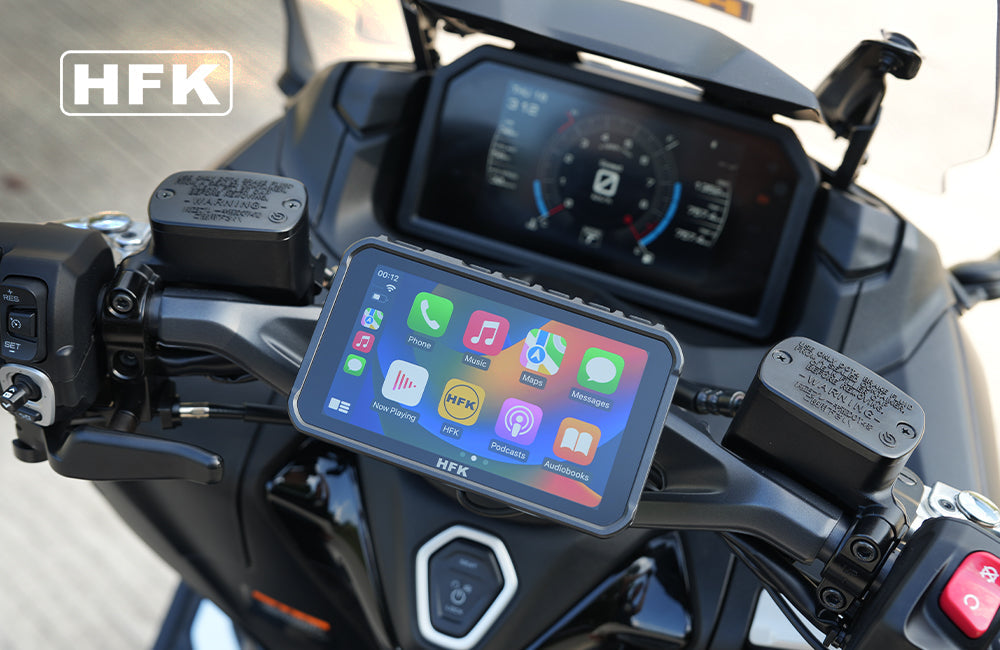
Motorcycle touring is more than just riding from one destination to another. It is about freedom, exploration, safety, and confidence on the road. As motorcycle travel becomes increasingly popular, one question often comes up among riders:

Do I really need a dedicated motorcycle navigation system, or is using my smartphone enough?

At first glance, smartphone navigation seems convenient and cost-effective. However, once you experience long-distance motorcycle travel, harsh weather, and unfamiliar terrain, the differences between a phone and a dedicated motorcycle navigation system become very clear.

Let’s take a closer look.


Why Navigation Is Essential for Motorcycle Touring

Unlike city commuting, motorcycle touring often involves:

  • Long riding hours

  • Unfamiliar routes and remote areas

  • Changing weather conditions

  • High-speed highways and off-road sections

  • Limited opportunities to stop and check directions

In these situations, navigation is not just about directions—it’s about safety and efficiency.

Missing a turn on a motorcycle can mean riding tens of kilometers in the wrong direction. Constantly stopping to check your phone breaks the rhythm of the ride and increases fatigue. Worse, trying to interact with a phone while riding can be extremely dangerous.

That’s why more experienced touring riders rely on dedicated motorcycle navigation systems instead of phones.


The Limitations of Smartphone Navigation on Motorcycles

Smartphones are powerful devices, but they are not designed for motorcycle environments.

1. Poor Visibility in Sunlight

Phone screens often become hard to see under direct sunlight. During long daytime rides, glare and screen dimming make navigation difficult and distracting.

2. Overheating Issues

Using GPS, mobile data, and maximum screen brightness for hours causes phones to overheat. Many riders experience sudden shutdowns in summer, leaving them without navigation at critical moments.

3. Weather and Water Damage

Even “water-resistant” phones are not built for constant exposure to rain, dust, and wind at high speeds. A single heavy rainstorm can permanently damage your device.

4. Vibration Damage

Motorcycle vibrations can damage a phone’s internal components, especially the camera’s optical stabilization system. This is a well-documented issue among riders.

5. Unsafe Interaction

Touching a small phone screen with gloves is difficult. Removing gloves to operate a phone increases distraction and risk.


Why Dedicated Motorcycle Navigation Systems Are Better for Touring

A motorcycle navigation system is designed specifically for riding conditions. It addresses all the weaknesses of smartphone navigation.

1. Designed for Outdoor Riding

Motorcycle navigation devices feature:

  • High-brightness, anti-glare displays

  • Large icons and clear map layouts

  • Interfaces optimized for quick glances

This allows riders to keep their eyes on the road.

2. True Weather Resistance

High-quality motorcycle navigation systems offer IP67 or IP69K waterproof ratings, meaning they can withstand heavy rain, dust, and even high-pressure water—perfect for long-distance touring.

3. Vibration Resistance

Unlike phones, dedicated units are built with reinforced internal structures and mounts that absorb vibration, ensuring stable operation on rough roads.

4. Reliable Power Supply

Motorcycle navigation systems are hardwired to the bike’s power, eliminating battery anxiety and ensuring uninterrupted navigation during long rides.

5. Safer Riding Experience

With larger screens, glove-friendly controls, and stable mounts, riders can navigate safely without unnecessary distractions.


Key Features to Look for When Choosing a Motorcycle Navigation System

If you’re considering upgrading from smartphone navigation, here are the most important features to pay attention to:

1. Waterproof Rating

Choose a system with at least IP67, and ideally IP69K, to ensure reliability in all weather conditions.

2. Screen Brightness

A high-luminance display is essential for visibility under strong sunlight, especially during long daytime rides.

3. Navigation Compatibility

Modern riders prefer systems that support CarPlay or Android Auto, allowing them to use familiar apps like Google Maps, Apple Maps, or Waze with a safer interface.

4. Stability and Performance

Look for fast boot-up times, stable connections, and smooth map rendering. Lag or disconnection during riding is not acceptable.

5. Mounting and Installation

A good navigation system should fit securely without blocking the bike’s original instruments and should remain stable on rough terrain.

6. Expandability

Some advanced systems integrate dash cam recording, GPS tracking, and route history—features that enhance both safety and riding enjoyment.


Motorcycle Navigation vs Smartphone: A Real Touring Perspective

For short urban rides, a smartphone may be sufficient. But for motorcycle touring, the difference is dramatic.

A dedicated navigation system:

  • Improves safety

  • Reduces fatigue

  • Handles extreme weather

  • Protects your phone

  • Enhances confidence on unfamiliar roads

Most riders who switch to motorcycle navigation never go back to phone-only setups.


Conclusion: Is Motorcycle Navigation Worth It?

So, is it necessary to buy a navigation system for motorcycle touring?

If you care about safety, reliability, and comfort—yes, absolutely.

Smartphones are versatile, but they are not designed for the realities of motorcycle travel. A dedicated motorcycle navigation system transforms your touring experience by providing stable, clear, and safe guidance wherever the road takes you.

In motorcycle touring, the right navigation isn’t just about finding your way—it’s about riding with confidence, focus, and peace of mind.

Once you experience that difference, you’ll understand why serious riders consider motorcycle navigation an essential touring companion, not an optional accessory.

最新のストーリー

このセクションには現在コンテンツがありません。サイドバーを使用してこのセクションにコンテンツを追加してください。