
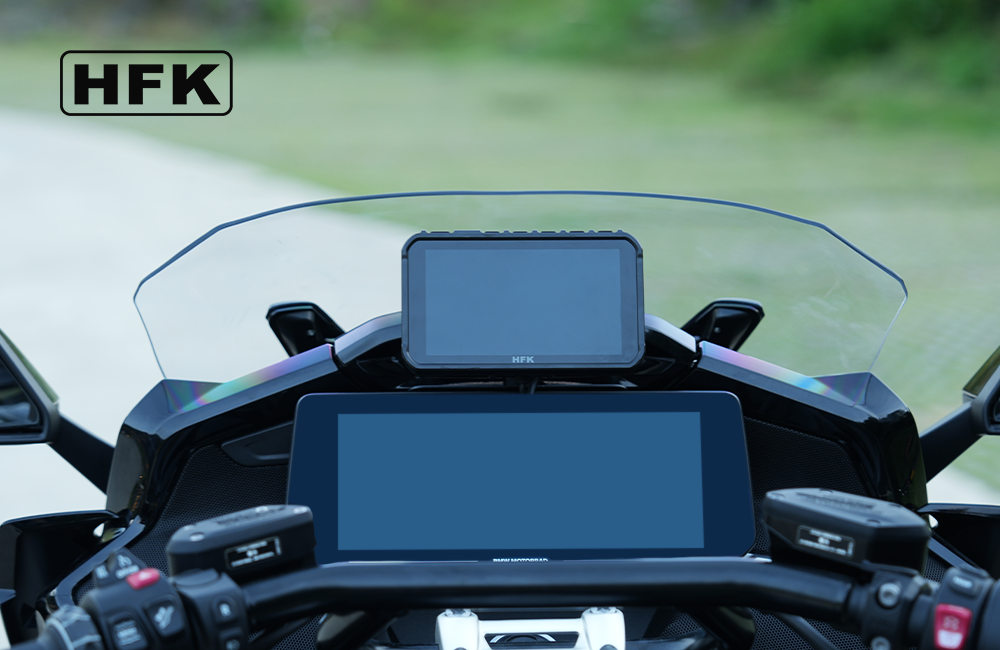

Motorcycle CarPlay systems are no longer a luxury upgrade. For many riders, they are becoming essential equipment for navigation, communication, and media control.
But here’s the problem:
Most products look similar on the surface. Same screen size. Same “wireless CarPlay” claim. Similar interface.
Yet internally, they are engineered very differently.
If you want to choose correctly, you must compare them from a technical and structural perspective, not just feature lists.
This guide breaks down the key engineering parameters that actually determine performance and durability.
1. The Real Challenge: Motorcycle Environment vs Car Environment
Unlike automotive systems installed inside vehicles from brands such as BMW or Toyota, motorcycle CarPlay units operate in:
-
Direct rain exposure
-
UV radiation
-
Engine vibration
-
Dust and mud
-
Highway wind pressure
-
Extreme heat and cold
This means durability specifications matter more than cosmetic design.
2. Key Technical Parameters That Actually Matter
Below is a structured comparison of common market tiers.
📊 Technical Comparison Table
| Specification Category | Entry-Level Units | Mid-Range Motorcycle Units | Professional Motorcycle-Specific Units |
|---|---|---|---|
| Ingress Protection (IP Rating) | IP54–IP65 | IP65–IP67 | IP67–IP68 |
| Housing Material | Standard ABS plastic | Thickened ABS composite | Reinforced UV-resistant industrial ABS |
| Waterproof Structure | Basic sealing ring | Multi-point sealing | Multi-layer gasket + sealed connectors |
| Operating Temperature | -10°C to 50°C | -20°C to 60°C | -30°C to 70°C (or higher tolerance components) |
| Display Brightness | 500–700 nits | 800–1000 nits | 1000+ nits outdoor high-bright panel |
| Screen Bonding | Air gap structure | Partial optical bonding | Full optical bonding (anti-reflective) |
| Vibration Resistance | Basic PCB mount | Reinforced mounting | Anti-vibration PCB + secured connectors |
| Connector Type | Standard exposed ports | Rubber-covered ports | Fully sealed waterproof harness |
| UV Resistance | Limited | Moderate | High UV-resistant coating |
| Expected Service Life (Outdoor Use) | 1–2 years | 2–4 years | 4+ years depending on usage |
3. Why These Parameters Matter
IP Rating (Water & Dust Protection)
IP67/IP68 protection prevents:
-
Internal condensation
-
Connector corrosion
-
Short circuits
-
Long-term moisture damage
Lower IP ratings may survive light rain but struggle in heavy storms or off-road conditions.
Display Brightness & Optical Bonding
Outdoor visibility is critical.
Low-brightness displays (<700 nits) become unreadable under direct sunlight.
Professional systems use:
-
1000+ nit panels
-
Optical bonding to eliminate internal reflections
-
Anti-glare surface coatings
This improves safety by reducing the time riders take their eyes off the road.
Vibration Resistance Engineering
Motorcycle vibration causes:
-
Solder joint fatigue
-
PCB micro-cracks
-
Internal connector loosening
Professional-grade units include:
-
Secured PCB anchoring
-
Shock-absorbing internal structure
-
Anti-loosening connector design
This significantly extends service life.
Temperature Range
Electronics expand and contract with temperature shifts.
A narrow operating range increases:
-
Display discoloration risk
-
Wireless instability
-
Battery or circuit degradation
Wider temperature tolerance equals greater reliability in real-world touring.
4. Matching Technical Level to Riding Style
🏙 Urban Commuters
Mid-range may be sufficient if riding is short-distance and fair-weather.
🛣 Highway Riders
Should prioritize:
-
1000+ nit display
-
IP67 or higher
-
Reinforced housing
🏕 ADV / Long-Distance Touring Riders
Require:
-
Maximum waterproof rating
-
Full optical bonding
-
Industrial-grade connectors
-
High vibration resistance
For long-distance riders, durability is not optional — it is essential equipment reliability.
5. Material Engineering: The Hidden Cost Factor
Many lower-cost units reduce price by cutting:
-
Housing thickness
-
Internal reinforcement
-
Connector sealing
-
UV coating quality
These savings are invisible at purchase but visible after one year of exposure.
Professional motorcycle-specific systems invest in structural durability first — features second.
6. Final Decision Framework
When choosing your motorcycle CarPlay system, ask:
-
What is the actual IP rating?
-
Is the display brightness above 1000 nits?
-
Is the screen fully optically bonded?
-
Are connectors sealed or exposed?
-
What temperature range is officially supported?
-
Is vibration resistance structurally reinforced?
If a product does not clearly specify these parameters, it is likely not engineered for long-term outdoor motorcycle use.
Conclusion
Choosing a motorcycle CarPlay system is not about screen size or UI animations.
It is about engineering integrity.
A reliable unit should:
-
Remain visible in direct sunlight
-
Resist water intrusion
-
Survive constant vibration
-
Operate in extreme temperatures
-
Maintain stable wireless connectivity
The right system is the one built to endure the environment you ride in.
Because on a motorcycle, technology must survive before it can serve.
Share:
Why Car CarPlay Systems Are Technically Unsuitable for Motorcycles — A Structural and Engineering Comparison
Why Must Motorcycle Navigation Use a Dedicated Motorcycle CarPlay System?