
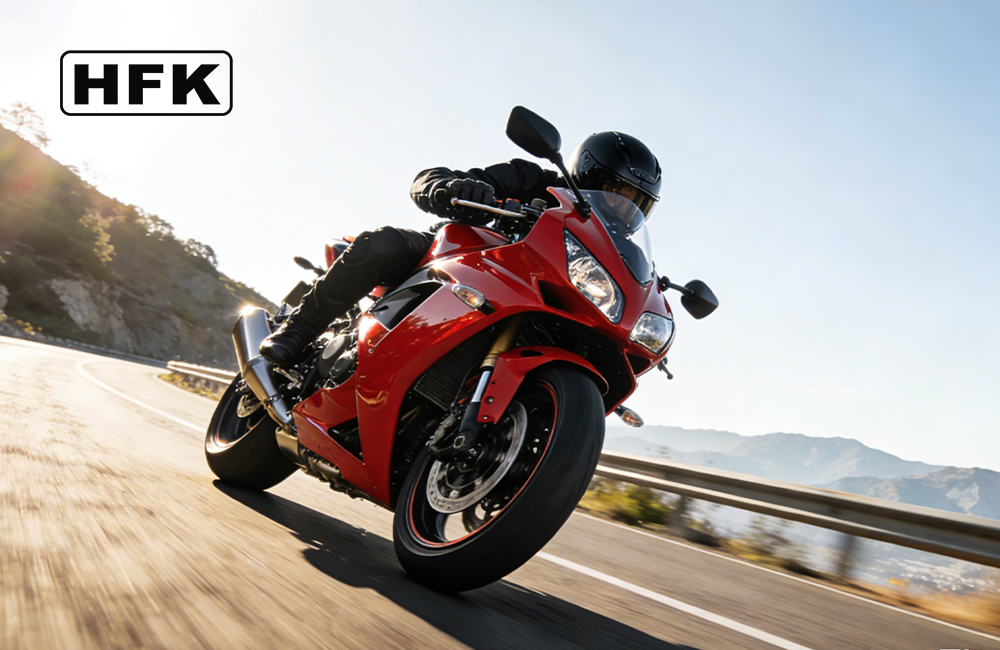

For motorcycle riders, the road is full of freedom, adventure, and unexpected moments. But busy traffic, sudden lane changes, unpredictable weather, and road accidents can also bring risks. That is why more riders are choosing to install a motorcycle dashcam.
A motorcycle dashcam does more than record your rides. It can preserve important video evidence after an accident, capture dangerous traffic situations, and give you greater peace of mind on daily commutes and long-distance tours.
However, choosing the right device is not always straightforward. Some products focus on video recording, while others combine navigation, smartphone connectivity, and dashcam functions in one system. Prices, camera quality, durability, and installation methods can also vary significantly.
Before making your decision, here are five essential things to know when buying a motorcycle dashcam.
1. Understand the Difference Between a Motorcycle Dashcam and a Smart Motorcycle Display
The first thing to understand is that a motorcycle dashcam and a smart motorcycle display are designed for different purposes.
A dedicated motorcycle dashcam focuses on recording the road. Depending on the model, it may include front and rear cameras, continuous recording, loop recording, collision detection, and night vision. Its main purpose is to capture what happens around your motorcycle, especially when an unexpected incident occurs.
A smart motorcycle display, on the other hand, is designed to make riding more convenient. Many models support Apple CarPlay or Android Auto, allowing riders to access navigation, music, calls, and other compatible smartphone apps through a handlebar-mounted screen.
Some smart displays also support front and rear cameras, allowing riders to combine navigation and video recording in one system.
Here is a simple comparison:
| Feature | Motorcycle Dashcam | Smart Motorcycle Display |
|---|---|---|
| Main purpose | Road recording and evidence | Navigation and smart riding |
| Front and rear cameras | Available on selected models | Available on selected models |
| Continuous recording | Common | Available on camera-equipped models |
| Loop recording | Common | Available on camera-equipped models |
| Apple CarPlay | Usually not included | Available on compatible models |
| Android Auto | Usually not included | Available on compatible models |
| Navigation screen | Usually not included | Yes |
| Music and calls | Usually not included | Supported by compatible systems |
| Price range | Typically more affordable | Usually higher for feature-rich systems |
If your main priority is recording traffic and preserving evidence, a dedicated motorcycle dashcam may be the right choice.
If you want navigation, phone connectivity, and recording in one cockpit, a smart motorcycle display with camera support may offer better overall value.
The important point is to check the actual specifications. Not every smart display includes cameras, and not every motorcycle dashcam offers smart connectivity.
2. Make Sure It Is Designed Specifically for Motorcycles
A motorcycle is a much more demanding environment for electronic equipment than many people realize.
Unlike a device installed inside a car, a motorcycle dashcam is directly exposed to rain, dust, road spray, vibration, temperature changes, and sometimes mud or rough off-road conditions. A camera that works well in a car may not be reliable enough for everyday motorcycle use.
When choosing a motorcycle dashcam, pay attention to these key factors.
Waterproof protection
Rain can arrive unexpectedly, especially during long-distance rides. Look for a device with a clearly stated water and dust protection rating. For example, an IP69K-rated system offers a high level of protection against dust and high-pressure, high-temperature water jets when properly designed and installed.
Vibration resistance
Motorcycles experience constant vibration from the engine and road surface. A purpose-built system should have secure mounting hardware, durable construction, and stable camera connections to help maintain reliable operation.
Temperature resistance
Electronics mounted on a motorcycle may face direct sunlight, heat from the vehicle, and cold weather. Check the manufacturer's stated operating temperature range if you regularly ride in extreme conditions.
Reliable power supply
For regular use, a hardwired system can provide continuous power without relying on a small rechargeable battery. Correct installation is essential, and the wiring must be compatible with the motorcycle's electrical system.
These details may not look as exciting as a high-resolution screen, but they can make a real difference to long-term reliability.
When comparing products, do not judge a motorcycle dashcam by image quality alone. Durability is just as important.
3. Check Camera Quality, Coverage, and Recording Features
The purpose of a dashcam is to capture useful footage when you need it. That means the quality and reliability of the recording system deserve careful attention.
Single camera or dual cameras?
A front camera records the road ahead, while a rear camera adds coverage behind the motorcycle. This can be particularly valuable in busy traffic, where incidents may happen from either direction.
For commuters, highway riders, and touring enthusiasts, a front-and-rear setup can provide more complete evidence than a front camera alone.
1080P, 2K, or 4K?
Higher resolution can capture more detail, but it is not the only factor that determines video quality. Sensor performance, exposure, image processing, lens quality, and night recording also matter.
For many riders, a well-designed 2K camera system offers a useful balance between clarity, storage requirements, and cost.
Loop recording
Continuous recording generates video files throughout the ride. Loop recording automatically replaces older footage when storage becomes full, helping the system keep recording without requiring frequent manual deletion.
Collision detection
Some systems use a gravity sensor to detect impacts and protect important recordings. This can be helpful after an accident, although riders should check how protected files are stored and whether they can eventually be overwritten.
Night vision
If you ride after dark or commute early in the morning, low-light performance is especially important. Look for information about the camera sensor and night recording technology rather than relying on a marketing label alone.
Before buying, consider when and where you ride most often. A weekend rider on scenic roads may have different needs from someone who commutes through busy city traffic every day.
4. Compare the Total Cost, Not Just the Purchase Price
Motorcycle dashcam prices vary depending on camera resolution, the number of cameras, storage capacity, durability, and additional features. Smart motorcycle displays may cost more because they combine navigation and smartphone connectivity with other riding functions.
As a general market guide, prices often fall into the following ranges. Actual prices vary by brand, specifications, region, and promotional offers.
| Product type | Typical price range | Best for |
|---|---|---|
| Basic motorcycle camera | $50–$150 | Riders who want simple recording |
| Dedicated dual-camera dashcam | $100–$300 | Riders who prioritize front and rear footage |
| Smart motorcycle display without cameras | $150–$400+ | Riders who want navigation and smartphone connectivity |
| Smart display with camera support or an integrated camera system | $250–$600+ | Riders who want smart features and recording in one setup |
These ranges are indicative rather than fixed price quotes. Before purchasing, confirm whether cameras, storage, mounting brackets, wiring, and other accessories are included.
A lower-priced device may be enough for basic recording. However, a more expensive system may offer better durability, additional camera coverage, a brighter screen, or features that reduce the need for separate devices.
For example, riders who already use a dedicated navigation device may prefer a standalone dashcam. Riders who want to replace a phone mounted on the handlebar may find a smart display with camera support more practical.
The best value is not necessarily the cheapest device. It is the system that matches your riding habits and provides the features you will actually use.
5. Choose a System That Fits the Way You Ride
The final step is to think about your everyday riding experience.
Do you mainly ride short distances around town? Do you commute on busy highways? Or do you regularly take long-distance tours and explore remote roads?
Your answers can help you choose the right setup.
For riders who only need recording
A dedicated motorcycle dashcam is a practical choice. It focuses on capturing the road without requiring you to pay for navigation and smartphone features you may not need.
For daily commuters
A dual-camera system can provide front and rear coverage, while continuous and loop recording reduce the need for manual operation. If you also depend on smartphone navigation, an integrated smart display may be more convenient.
For touring and ADV riders
Long-distance riding places greater demands on equipment. Waterproof protection, vibration resistance, night recording, reliable power, and sufficient storage become particularly important. A smart display with camera support can also help keep navigation and recording functions together in one cockpit.
For riders looking for both smart connectivity and recording, HFK offers options worth considering.
HFK HC50: Smart Display with Dual 2K Cameras
The HFK HC50 combines a motorcycle smart display with front and rear 2K cameras. It is designed for riders who want navigation and recording functions in one integrated setup.
Key features include:
- Front and rear 2K camera recording
- Built-in storage and loop recording
- IP69K-rated protection
- Support for Apple CarPlay and Android Auto
- A motorcycle-specific installation and power setup
This type of system is especially suitable for riders who want to reduce handlebar clutter while keeping navigation and road recording available in one device.
HFK HC50-RM: Quick-Release Smart Motorcycle Display
The HFK HC50-RM is designed for riders who value flexibility and convenient device removal. Its quick-release system makes it easier to attach or remove the display, which can be useful for riders who use multiple motorcycles or prefer to take their display with them when parking.
Key features include:
- A 5.7-inch Sharp display with 1400-nit brightness
- Quick-release installation and removal
- IP69K-rated protection
- Smart navigation and smartphone connectivity
- Support for optional front and rear cameras
Please note: Cameras for the HC50-RM are sold separately. If you want dashcam functionality, make sure to select the compatible camera accessories when purchasing.
The HC50 and HC50-RM serve slightly different needs. The HC50 is a suitable option for riders who want an integrated smart display and dual-camera setup, while the HC50-RM is a flexible choice for riders who prefer a quick-release display and the option to add cameras.
Final Thoughts: A Motorcycle Dashcam Is an Investment in Peace of Mind
Buying a motorcycle dashcam is not simply about choosing a camera with the highest resolution or the lowest price. It is about finding a reliable system that can handle the conditions you ride in and provide useful footage when unexpected situations occur.
Before making your decision, remember these five points:
- Understand the difference between a dedicated dashcam and a smart motorcycle display.
- Choose equipment designed to withstand motorcycle weather and vibration.
- Compare camera coverage, resolution, night performance, and recording features.
- Consider the total cost, including cameras and accessories.
- Select a system that fits your daily commute, touring plans, and riding habits.
Most importantly, do not underestimate the value of a motorcycle-specific recording system. When a collision happens, the right footage may help clarify what occurred and support an insurance claim. It cannot prevent every accident, but it can provide valuable information when it matters.
Whether you choose a standalone dashcam or a smart motorcycle display with camera support, prioritize reliability, clear recording, and features that suit your needs.
Because every ride should be about enjoying the road—not worrying about what might happen if something goes wrong.
Share:
What Should You Know Before Buying a Motorcycle Dashcam?
What Features Matter Most in a Motorcycle Dashcam?