
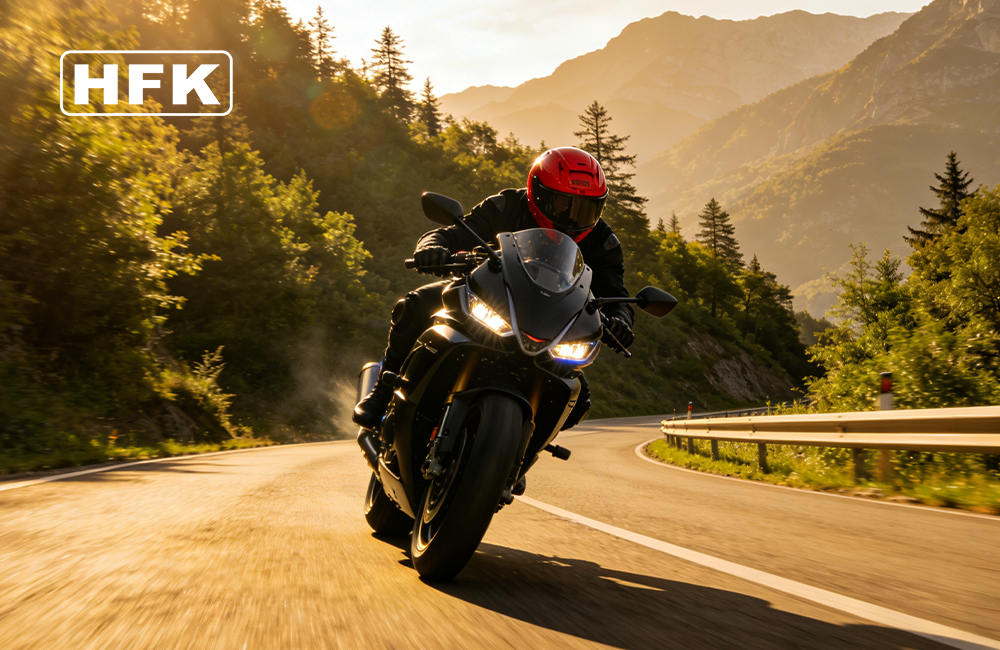

Cross-country motorcycle touring is one of the purest forms of freedom.
Riding across mountains, deserts, coastlines, and unfamiliar cities offers an experience few other types of travel can match. Every road becomes part of the adventure, and every stop creates a new memory.
But unlike short-distance weekend rides, long-distance motorcycle travel places much greater demands on both the rider and the motorcycle itself.
The wrong preparation — or the wrong motorcycle — can quickly turn an exciting journey into an exhausting one.
So before starting a cross-country motorcycle trip, what should riders really pay attention to?
And more importantly, what type of motorcycle is actually best suited for long-distance touring?
Let’s break it down.
1. Long-Distance Touring Is Completely Different from Daily Riding
Many riders underestimate how different long-distance travel feels compared to regular commuting or short rides.
A motorcycle that feels fun for one hour may become uncomfortable after eight hours on the highway.
Long-distance touring introduces challenges such as:
- Rider fatigue
- Weather exposure
- Long highway stretches
- Unfamiliar roads
- Heavy luggage loads
- Constant vibration and wind pressure
This is why choosing the right motorcycle matters so much.
Different motorcycle categories create completely different riding experiences over long distances.
2. Adventure (ADV) Motorcycles — The Most Versatile Choice
ADV motorcycles have become one of the most popular choices for cross-country travel.
Models like:
- BMW GS series
- Honda Africa Twin
- KTM Adventure series
- Yamaha Tenere
…are designed specifically for long-distance versatility.
Why ADV Bikes Work So Well:
- Upright riding position reduces fatigue
- Large fuel tanks increase travel range
- Long suspension travel handles rough roads
- Comfortable for both highways and light off-road riding
- Better luggage compatibility
ADV motorcycles are ideal for riders who:
- Travel across multiple terrains
- Encounter unpredictable road conditions
- Prefer comfort over aggressive performance
The riding experience on an ADV bike feels stable, confident, and highly adaptable.
For many riders, ADV motorcycles offer the best balance between comfort, capability, and practicality.
3. Touring Motorcycles — Maximum Comfort for Highway Travel
Touring motorcycles are built specifically for long-distance highway riding.
Popular examples include:
- Honda Gold Wing
- BMW K1600GT
- Harley-Davidson Road Glide
These bikes prioritize:
- Wind protection
- Passenger comfort
- Storage capacity
- Highway stability
Advantages:
- Extremely comfortable seats
- Excellent wind protection
- Smooth long-distance cruising
- Large luggage systems
However, touring bikes are usually:
- Heavy
- Less flexible in tight urban environments
- More difficult on rough roads
For riders mainly focused on paved highways and long-distance comfort, touring motorcycles provide one of the smoothest riding experiences possible.
4. Sport Bikes — Fast but Demanding
Sport motorcycles are designed primarily for performance and speed.
While they are exciting to ride, they are generally less suitable for long-distance touring.
Common Problems During Long Trips:
- Aggressive riding posture causes fatigue
- Limited luggage options
- Smaller fuel tanks
- Minimal wind protection for comfort riding
After several hours, riders often experience:
- Wrist pain
- Back fatigue
- Neck strain
Sport bikes can still handle touring, but the experience is much more physically demanding.
They are better suited for riders prioritizing excitement over comfort.
5. Cruiser Motorcycles — Relaxed but Limited in Some Conditions
Cruisers are popular for relaxed highway riding and classic styling.
Examples include:
- Harley-Davidson Softail
- Indian Scout
- Honda Rebel
Advantages:
- Comfortable low-speed cruising
- Relaxed seating position
- Strong highway presence
However, cruisers can struggle with:
- Long mountain roads
- Rough terrain
- Aggressive cornering
- Limited suspension travel
Cruisers work best for:
- Smooth highway travel
- Slower-paced touring
- Riders focused on style and comfort
The experience is calm and enjoyable, but less versatile compared to ADV motorcycles.
6. Rider Comfort Matters More Than Speed
One of the biggest mistakes new touring riders make is focusing too much on horsepower.
For long-distance travel, comfort matters far more than top speed.
Key factors include:
- Seat ergonomics
- Wind protection
- Suspension quality
- Riding posture
- Handlebar position
A comfortable motorcycle allows riders to:
- Stay focused longer
- Reduce fatigue
- Maintain better control over long hours
This directly affects both safety and enjoyment.
7. Weather and Road Conditions Change Everything
Cross-country riders often experience:
- Heavy rain
- Strong wind
- Extreme heat
- Cold mountain temperatures
- Gravel or damaged roads
Different motorcycles respond differently in these environments.
ADV Bikes:
Excellent adaptability and stability.
Touring Bikes:
Outstanding highway comfort but limited off-road flexibility.
Sport Bikes:
High performance but physically demanding.
Cruisers:
Comfortable on highways but less capable on uneven terrain.
Understanding your expected riding conditions is critical before choosing a motorcycle.
8. Navigation and Technology Become More Important on Long Trips
Modern long-distance touring increasingly depends on smart riding technology.
Many riders now rely on:
- Motorcycle CarPlay systems
- Dedicated navigation displays
- Motorcycle dash cams
These systems improve:
- Route visibility
- Riding efficiency
- Safety during unfamiliar travel
Especially during cross-country trips, constantly checking a phone becomes distracting and exhausting.
A proper motorcycle navigation system helps riders:
- Stay focused
- React earlier at intersections
- Navigate complex roads more safely
Technology becomes part of the riding experience itself.
9. Packing and Luggage Capacity Matter More Than Expected
Long-distance travel requires carrying:
- Riding gear
- Rain equipment
- Tools
- Electronics
- Emergency supplies
Motorcycles with better luggage compatibility dramatically improve convenience.
ADV and touring motorcycles usually offer:
- Side panniers
- Top cases
- Better weight distribution
This makes long-distance travel far more practical and comfortable.
10. The Best Motorcycle Depends on the Rider
There is no single “perfect” motorcycle for cross-country touring.
The best motorcycle depends on:
- Riding style
- Terrain
- Comfort preference
- Travel distance
- Experience level
If you prioritize versatility:
Choose an ADV motorcycle.
If you prioritize highway comfort:
Choose a touring motorcycle.
If you prioritize performance:
Choose a sport touring motorcycle.
If you prioritize relaxed cruising:
Choose a cruiser.
The most important thing is choosing a motorcycle that supports your riding style — not just one that looks impressive.
Conclusion
Cross-country motorcycle touring is one of the most rewarding experiences a rider can have.
But long-distance riding demands:
- Preparation
- Comfort
- Reliability
- The right motorcycle
Different motorcycle types create completely different touring experiences.
ADV motorcycles offer versatility.
Touring motorcycles provide unmatched comfort.
Sport bikes deliver excitement.
Cruisers create relaxed highway journeys.
The right choice depends on how you want to experience the road.
Because in the end, cross-country touring is not about riding the fastest motorcycle.
It’s about riding the motorcycle that lets you enjoy every mile of the journey.
Share:
Why Your Motorcycle Needs a Dedicated Smart CarPlay Instead of Just a Phone
What Type of Motorcycle Is Best for Long-Distance Touring? And What Should You Pay Special Attention To?